
Since Covid-19 pandemic came, there has been an increase in the rate kids use gadgets and engage in online classes and lessons in most of the countries around the globe. Some of the kids that were not priviledged to enroll in online classes stayed at home due to school closures, parks and most of the public places where kids can engage with to exercise, play or most importantly to avoid the excessive use of electronics were all closed. This has lead to an increase in the use of laptops, iPad, mobile phones and other gadgets by the kids.
Screen Time Definition
According to Wikipedia, “screen time is the amount of time spent using a device with screen such as a smartphone, computer, television , or video game console”. Studies show that screen time impacts on the development, mental and physical health of kids. Depending on the level and content of exposure, the kids are affected positively or negatively.
Effects of Screen Time on Kids
- Unhealthy weight gain.
- Exposure to Inappropriate Content.
- Decrease in Academic Performance.
- Causes Language Development Delays.
- Causes Insomnia and Eye Problems.
- Causes Inhibition on Child’s Ability to Learn.
- Causes Screen Addiction.
- Increases Pollution of the Environment.
1. Unhealthy Weight Gain : Excessive use of the screen time forces a child to constantly sit at a spot. It thereby reduces the active and healthy lifestyle of the child. Most often the child is seen watching a cartoon and other kids channels or playing his or her favourite video game thereby loose count of the time and may spend hours on the same spot. As they watch, they will be engaged in eating one junk food or another which is unhealthy and thereby causes excess weight gain. Excess weight will also result to too many health problems like diabetes, obesity and so on.
.
2. Exposure to Inappropriate Content : The use of smartphones, tablets, and game consoles by kids are difficult to control unlike the televisions because they are portable and can be taken from one place to another with ease. When left alone, kids can be able to navigate from one app to another thereby watching different links and clips endlessly. Most sites were not regulated for parental guidance and kids are easily exposed to watch inappropriate or adult videos which may be of little or no educational values. At worst some violent contents that is above a child’s level will be mistakenly exposed the child and lead to different types of vices.
3. Decrease in Academic Performance : Use of screen time for educational activities with high quality programs are alright depending on the length and content exposure. When the right content are sought, it is good for the Child but excessive use of it distracts the child from having enough time for studying. Too much screen time use makes kids to miss school assignments and home works. It also causes distraction in their normal activities and reduces their focus towards their education which directly affects their academic performance.
4. Causes Language Development Delays : Research has shown that Language Development increases around one and half years to three years of age. According to some studies, children learn by interacting always with adults, talking and playing with them, it also shows that children perform less on reading test and deficit in attention when they are exposed to watching television as early as in primary school.
5. Causes Insomnia and Eye Problems : Excess use of screen time time watching televisions and other gadgets delays sleep, keeps the brain and the body alert and activated. The use of tablets and smart phones poses more effects and damage because its portable and closer to the face. Study showed that infants between the age of six to twelve months old when exposed to screen in the evening would, not find it difficult to fall asleep unlike those not exposed. Excessive use of screen by teenagers and preteens late at night could affect the behaviour and cognitive performance in school and could pose a problem for learning. Sleep deprivation is also linked to obesity in kids and can also affect the child’s self esteem, social isolation and more screen time.
6. Causes Inhibition on Child’s Ability to Learn : More use of screen time by the kids takes them away from day to day hands-on activities that helps them learn fine motor skills. For instances, when you see some parents with their kids on strollers, the kids in most cases are engaged with tablets or smartphones watching a cartoon or some other materials. This makes it difficult for the child to look around the environment or know what is happening around him or her. For instance if a child is always engaged with screen time, he or she will not experience the fun of playing with a balloon, exploring the sand and so on. This will not only affect their ability to learn new things but also will affect language development.
7. Causes Screen Addiction : Constant watching of smartphones by adults can be at least managed because adults know when to stop unlike kids who are not aware of the dangers involved especially when they are exposed as early as infancy. Most often, when kids are having tantrums, parents tries to pacify them by offering the mobile to watch cartoons or rhymes and thereby distancing them. That’s not the best way to distract a child. Comforting the child through cuddles, and talking in a calm and soft voice should be the best way. Using the screen time to stop a crying child will only be a fix in a short time but will make the child get addicted to the screen.
8. Increase in Pollution : Excessive screen time leads to less time spend outside the environment with nature and makes the child unconnected with his or her environment. The more smartphones, tablets, laptops and game consoles in use by both kids and adults, the more they pollutes the environment. According to one study, emission of 4% of World Green House-gas by digital technologies as in the year 2019 could be doubled by 2025. This all lead to the pollution of the environment.
Recommendations and Guidelines on The Use of Media by World Health Organisation in 2019
- From birth to age 1 : No sedentary screen time.
- Ages 2 – 4 : No more than 60 minutes of sedentary screen time.
Extensive Guidelines by American Academy of Pediatrics (AAP) in 2016 for children up to age 5
- This is inclusive of screen time, quality of content used, how parents are using screens with their children. The screen time limits are as follows:
- From birth to 18 – 24 months : No screen time with exception of video chatting.
- 18 – 24 months : Limit screen time as much as possible.
- From 2 – 5 years old : Limit Screen time to an hour a day.
How to Combat The Effects of Screen Time
1 Proper Management of Screen Time.
In other to combat the negative effects of the screen time, parents should plan a family time on how the screen should be used. There should be restrictions on when to use and when not to. For instance zero screen time at the dinning, inside the bedroom and one hour before bedtime should be practiced to avoid delays in sleep and reduces excessive use. There should be privacy and parental control on the type of content to watch. Age wise selection of contents by the parents or caregivers should be encouraged. There should be phone locks on the smartphones to avoid easy access by kids and exposure to unhealthy contents. Parents should involve themselves in co-viewing with the kids. This will help to monitor what they are exposed to or select the programs they watch by themselves. They will also be in a better position to explain some things the kids do not understand for the kids. Parents should also teach the kids on safe use of the internet. Not to bully someone or be bullied, not to share contents with strangers while using the internet and so on.
2. Encourage Good Use of The Screen.
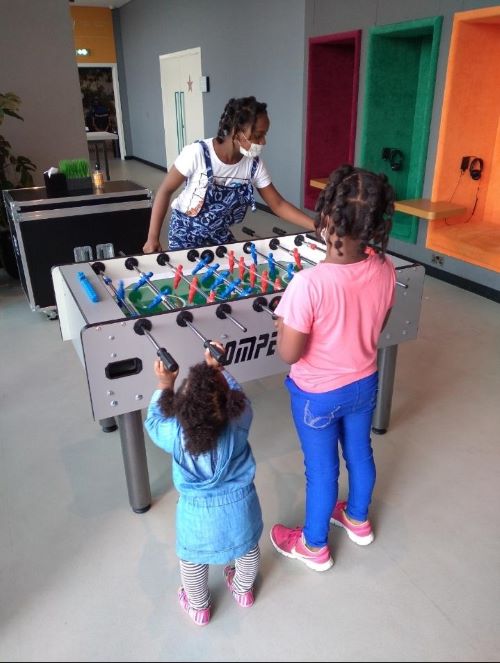
Parents should check for reviews and priotize on non-screen routines daily. Parents should be able to map out best time to be away from screen. Activities should be included on those non-screen time. Like use of indoor games and outdoor games. Examples of activities are dancing, drawing and colouring, hand ball games, cycling and so many others. Parents or caregivers should choose age appropriate contents and should be able to remove or block problematic contents. The kids should be educated on digital literacy.
3. Encourage Healthy Screen Use
As parents, we should also lead by examples so kids will emulate what they see us doing. We should create time for alternative plays and activities. The kids should be encouraged to turn off the screen whenever they are not using it. The smartphones, laptops, tablets, videos consoles should be switched off during non-screen time. This will help to minimize the pollution that emits from them when on and also saves energy too. Screen should be switched off one hour before bedtime. As parents or caregivers, we should be mindful of all these things and do the needful.
4. Accentuate on Sleep and Healthy Nutrition.
For brain growth, development, health and wellness in kids and even adults, good sleep, healthy nutrition and exercise are very important. Excessive screen can affect the kids development and body physique. Children who spend too much time on screen end up being addicted to junk food and fast foods with less or no fruits and vegetables. Home made foods should be prepared and encouraged as well as eating vegetables and fruits. Adequate sleep and exercises should be inculcated in the kids routine. It is very important to make healthy lifestyle choices as part of our daily routine and thereby limiting screen time.

5. Examine Problematic Signs.
Parents should watch out for signs of unhappiness or unruly behavior once screens are removed or denied. This will help the parents know when screen addiction. occurs. This could be avoided by introduction of other non-screen activities so that the child will not feel the denial. Plans should be mapped out on daily use of the screen. This is important so that screen use do not affect or interfere with sleep, school works, assignments, social interactions and physical activities. Negative emotions should be discouraged. This will be achieved by planning different activities to replace zero screen time and explaining the importance of the zero screen time to the kids.
Conclusion.
Finally, parents should be careful on the use of screen time, its consequences and effects in our lives and our children. Parents or caregivers should be fully involved in monitoring children screen usage and implement better methods and healthier practices. This will be achieved by encouraging better bedtime routines, help them realize its consequences, inculcate adequate activities for exercises to avoid obesity, and limiting the number of electronics in the environment to curb the issue of pollution.
Reference.
- “Definition of Screen time” Wikipedia.com. Edited 6th May, 2021.
- Jennifer F. Cross, “What Does Too Much Screen Time Do to Children’s Brain?” New York.
- American Academy of Pediatrics Announces New Recommendations for Children’s Media Use”. http://www.aap.org, Retrieved 13th March, 2018.
- Jackson A. Smith, Dillon Thomas Browne, University of Waterloo. (July 18, 2019)


